---
title: Its all about the people - they create the profit
description: People first is leadership with a measurable return. Conscious leadership - self-awareness, EQ, integrity, servant leadership, purpose, creates profitable, sustainable cultures worth working in.
image: https://yvonnejohnston.co.za/hubfs/What%20does%20the%20current%20culture%20reward%2c%20and%20what%20does%20it%20quietly%20punish.png
---
[Skip to main content](https://yvonnejohnston.co.za/leading-forward-blog/its-all-about-the-people-they-create-the-profit#main-content)
[](https://yvonnejohnston.co.za/)
[Home](https://yvonnejohnston.co.za/) [About](https://yvonnejohnston.co.za/about)
Services ▼
[Leadership Coaching](https://yvonnejohnston.co.za/leadership-coaching) [Individual Coaching](https://yvonnejohnston.co.za/individual-coaching)
[Blog](https://yvonnejohnston.co.za/leading-forward-blog) [Gallery](https://yvonnejohnston.co.za/yvonne-johnston-a-legacy-in-images) [Free Resources](https://yvonnejohnston.co.za/free-resources) [Contact](https://yvonnejohnston.co.za/contact)
[Let's Talk](https://yvonnejohnston.co.za/contact)
[Home](https://yvonnejohnston.co.za/) [About](https://yvonnejohnston.co.za/about) Services [Leadership Coaching](https://yvonnejohnston.co.za/leadership-coaching) [Individual Coaching](https://yvonnejohnston.co.za/individual-coaching) [Blog](https://yvonnejohnston.co.za/leading-forward-blog) [Gallery](https://yvonnejohnston.co.za/yvonne-johnston-a-legacy-in-images) [Free Resources](https://yvonnejohnston.co.za/free-resources) [Contact](https://yvonnejohnston.co.za/contact) [Let's Talk](https://yvonnejohnston.co.za/contact)
Authenticity
# Its all about the people - they create the profit
April 15, 2026
Since reading *Conscious Capitalism* by John Mackey and Raj Sisodia many years ago, I have been deeply convinced of this truth: creating a conscious, people-centred, and genuinely caring environment does not weaken financial performance; it strengthens it. The research behind the book demonstrated that organisations grounded in conscious behaviours can deliver up to 25% higher profitability. Now *that* gets attention.
And yet, the dominant narrative around corporate life is still one of toxicity and ruthless focus on sales and profit. Sadly, in many cases, that narrative is accurate. This is not a people problem, it is a leadership problem.
“People before profit” cannot just be a slogan. It must be a lived philosophy. People are, whether we like it or not, the heart of every organisation. The real question is: how are your people being led? Are you creating conditions that allow them to do their best work, or merely demanding output?
Employees who feel valued, supported, and trusted are more productive, more innovative, and far more likely to become ambassadors for the organisation. A people-first approach reduces turnover, strengthens engagement, and builds cultures that are sustainable rather than extractive. I often wonder whether leaders truly understand the financial cost of staff turnover,and how much could be saved through conscious cultural change.
Respect. Morale. Collaboration. Trust. Well-being. Purpose. Even fun. These are not “soft” concepts. They are the foundations of long-term profitability. Conscious leadership is a holistic approach, one that builds reputation, resilience, and results.
**The Five Key Principles of Conscious Leadership**
Conscious leadership is about leading with awareness, authenticity, and purpose.
1. Self-Awareness
Conscious leaders understand their values, motivations, and blind spots. They reflect regularly on their impact, remain open and curious, accept feedback without defensiveness, and commit to ongoing inner work. (In my view, every leader should have a coach, of course!)
2. Emotional Intelligence
They regulate their emotions, respond rather than react, and foster empathy and psychological safety. They think before they speak,and listen more than they talk.
3. Integrity and Accountability
They lead with honesty, take responsibility for their actions, and hold both themselves and others accountable in a fair and consistent way.
4. Servant Leadership
They prioritise the growth and success of their people. “Them before me.” They create the frameworks and environments in which others can flourish.
5. Vision and Purpose
Conscious leaders inspire by aligning business goals with a purpose beyond profit. They care,and they demonstrate that care tangibly, not rhetorically.
If these are skills you would like to develop, I’d be happy to help.
Questions:
If my organisation truly put people first, what leadership behaviours would need to change immediately,not eventually?
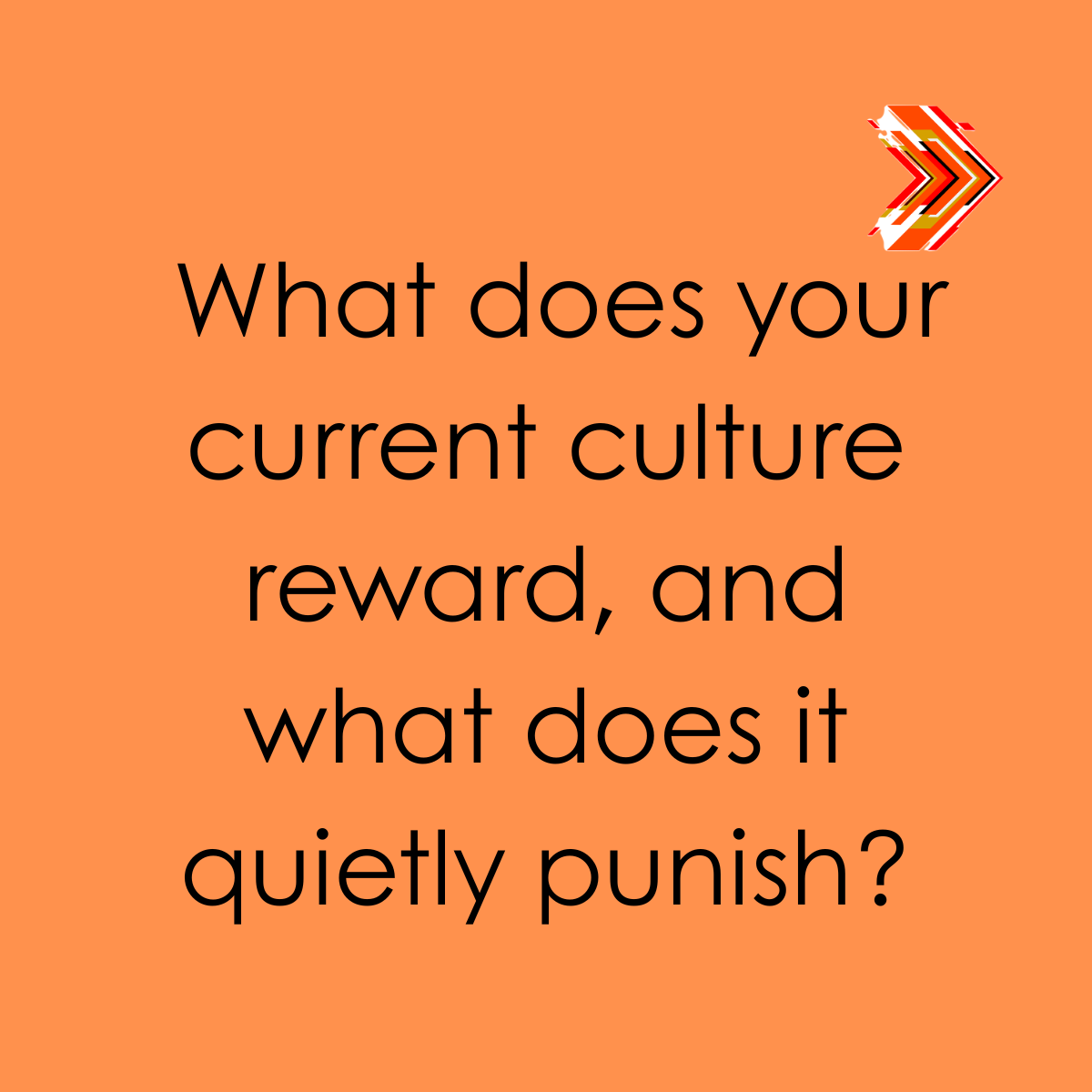
What does the current culture reward, and what does it quietly punish?
If profit were a *by-product* of how well I lead people, how would I measure my success differently?

Yvonne Johnston
Leadership & Self-Mastery Coach
Yvonne Johnston is a Master Coach, former CEO of Brand South Africa, and Harvard speaker with over 40 years of leadership experience. She works with senior executives and individuals ready to get clear and make change that sticks.
[LinkedIn](https://www.linkedin.com/in/yvonne-johnston-5581799/) [Instagram](https://www.instagram.com/yvonnejohnstoncoach/) [Work With Me →](https://yvonnejohnston.co.za/contact)
## Keep Reading
### [.png) Why people come to coaching (and why it may not be what you think) June 29, 2026](https://yvonnejohnston.co.za/leading-forward-blog/why-people-come-to-coaching-and-why-it-may-not-be-what-you-think)
### [ "How do YOU think you have done?" June 21, 2026](https://yvonnejohnston.co.za/leading-forward-blog/how-do-you-think-you-have-done)
### [ "We all suffer a little, rather than some suffer a lot" June 08, 2026](https://yvonnejohnston.co.za/leading-forward-blog/we-all-suffer-a-little-rather-than-some-suffer-a-lot)
## Enjoyed This? Get More.
Subscribe for occasional insights on leadership, growth, and intentional living.
No spam. Unsubscribe anytime.
[← Back to All Posts](https://yvonnejohnston.co.za/leading-forward-blog)
## Ready to Move Forward?
Whether you're navigating leadership challenges or personal transformation, let's have a conversation.
[Get in Touch →](https://yvonnejohnston.co.za/contact)
[Yvonne Johnston](https://yvonnejohnston.co.za/) Fast Forward Coaching
Supporting people in moving their lives and businesses forward. Leadership & Self-Mastery Coaching for those ready to change.
#### Explore
[Home](https://yvonnejohnston.co.za/) [About](https://yvonnejohnston.co.za/about) [Leadership Coaching](https://yvonnejohnston.co.za/leadership-coaching) [Individual Coaching](https://yvonnejohnston.co.za/individual-coaching) [Blog](https://yvonnejohnston.co.za/leading-forward-blog) [Gallery](https://yvonnejohnston.co.za/yvonne-johnston-a-legacy-in-images) [Free Resources](https://yvonnejohnston.co.za/free-resources) [Contact](https://yvonnejohnston.co.za/contact)
#### Get in Touch
[yvonne@yvonnejohnston.co.za](mailto:yvonne@yvonnejohnston.co.za) [+27 83 327 1790](tel:+27833271790) [+34 666 35 96 19](tel:+34666359619) South Africa (Coaching via Zoom worldwide)
#### Follow Along
© 2026 Yvonne Johnston. All rights reserved.
[Privacy Policy](https://yvonnejohnston.co.za/privacy) | [Terms of Service](https://yvonnejohnston.co.za/terms) | [Cookie Policy](https://yvonnejohnston.co.za/cookie-policy)
```json
{
"@context" : "https://schema.org",
"@type" : "BlogPosting",
"author" : {
"@type" : "Person",
"name" : "Yvonne Johnston",
"url" : "https://yvonnejohnston.co.za/leading-forward-blog/author/yvonne-johnston"
},
"dateModified" : "2026-04-15T12:41:37.851Z",
"datePublished" : "2026-04-15T12:41:37.000Z",
"headline" : "Its all about the people - they create the profit",
"image" : [ "https://yvonnejohnston.co.za/hubfs/What%20does%20the%20current%20culture%20reward%2c%20and%20what%20does%20it%20quietly%20punish.png" ],
"mainEntityOfPage" : {
"@id" : "https://yvonnejohnston.co.za/leading-forward-blog/its-all-about-the-people-they-create-the-profit",
"@type" : "WebPage"
},
"publisher" : {
"@type" : "Organization",
"logo" : {
"@type" : "ImageObject"
}
}
}
```